Intensive Probation Supervision (IPS)

The Intensive Probation Supervision Program is utilized as a sentencing alternative for individuals assessed as high-risk on a validated risk assessment. Oftentimes, IPS is used as a graduated response for an individual to make behavioral changes while being supervised in the community. IPS provides enhanced supervision while monitoring the individual’s movement and activities in the community.

How Intensive Probation Supervision works: 

  • IPS probation officers work to reduce the risk to the community with an enhanced approach to supervision 
  • The goal is for individuals to make positive behavioral changes to graduate to standard probation supervision 
  • The levels of IPS are designed to provide individuals more structure initially until they gain stability 
  • Officers spend time talking with family and friends of the individuals, to develop their support system and increase chances of success 

Drug Court

The Drug Court Program uses a holistic team approach where probation officers, treatment providers, attorneys, law enforcement, judicial officers, and community partners collaborate to serve the best interests of program participants.

The individuals who participate in the Drug Court Program: 

  • Receive a clinical assessment 
  • Receive substance use disorder treatment 
  • Are subject to random urinalysis drug testing 
  • Have monthly face-to-face check-ins with the Drug Court Team 

DUI Court

DUI Court operates as a solution-oriented court, following the national treatment court model. The DUI Court Team is composed of a judicial officer, personnel from Adult Probation and Public Defender’s Offices, and contracted clinicians.

DUI Court promotes: 

  • The well-being of individuals assessed as medium-high and high-risk of reoffending 
  • Focus on behavior change to lower repeat offenses 
  • Creative solutions to encourage behavior change 
  • Accountability for participation and attendance 

Veterans Court

The Veterans Court Team is committed to assisting Veterans on probation supervision who are assessed as medium-high to high-risk. The stakeholders involved include: a judicial officer, probation officers, defense and county attorneys, peer support mentors, Department of Veteran Affairs staff, and other agencies who all work together for the good of the Veteran.

Veterans Court promotes: 

  • Goals that are tailored to the needs of each Veteran in the program. 
  • Sanctions/rewards to encourage the participants’ involvement 
  • Creative solutions and thinking outside of the box to encourage participation and successful completion of probation 
  • Maintaining a stable lifestyle and sobriety 

Supervised Youth Unit

The Supervised Youth Unit works exclusively with youths assessed as high-risk, are under the age of 21, and youths whose cases were transferred to the adult criminal justice system for prosecution.

The Supervised Youth Unit: 

  • Works closely with youth, their families, and community stakeholders 
  • Addresses noncompliance to promote long-term behavior change 
  • Assesses each youth to determine an appropriate treatment plan 
  • Supports youth psychological and developmental needs 

Reach Out Program

The Reach Out Program offers individuals in jail an opportunity to participate in residential treatment to address substance use disorders, in lieu of remaining in custody. The residential treatment opportunity encourages them to achieve prosocial change, reduce recidivism, and decrease jail time.

The individuals who participate in the Reach Out Program: 

  • Graduate to a lower level of care after completing residential treatment 
  • Return to their community after completing residential treatment 
  • Receive the resources to remain sober and complete their probation term 
  • A second chance after demonstrating prosocial change 

Thinking for a Change (T4C) and Decision Points

Adult Probation’s T4C is a cognitive-behavioral therapy program for individuals assessed as medium-high or high-risk. Decision Points is a behavior intervention program offered by the Department that equips participants with alternative ways to examine their thinking and the related actions that lead them to possibly reoffend or violate their probation conditions.

T4C and Decision Points encourage participants to: 

  • Reshape decision-making 
  • Develop social skills 
  • Strengthen problem-solving skills 
  • Use refusal and coping strategies to avoid problematic situations 

Custody Reintegration Programs

The Prison Reentry Program and Community Reintegration Unit (CRU) provide transitional services and support to individuals who are reentering the community after a period of incarceration.

Prison Reentry begins working with individuals prior to release from prison to help them gain the resources needed to obtain stability post-release. 

How the Prison Reentry Program works: 

  • Probation officer connects with the individual prior to release 
  • Probation officer oversees the individual’s community reentry 
  • The individual is assisted in getting legal identification housing, and employment 
  • Probation expectations are outlined prior to release 

Community Reintegration Unit (CRU) provides transitional services to individuals who are in Maricopa County jail for 60 days or more as a condition of probation. 

CRU works with individuals to reduce absconder rates, bridge the gap between jail and the community, and enhance community safety by: 

  • Identifying and addressing critical needs 
  • Utilizing skill-building exercises to empower and motivate individuals 
  • Collaborating with community entities to support positive progress 
  • Working closely with Adult Probation’s Reach Out Program (see above) 

Mental Health Unit

The Mental Health Unit is therapeutic-based and provides specialized supervision fit for individuals who have a seriously mentally ill (SMI) determination through the Regional Behavioral Health Authority (RBHA). Those with an SMI determination have a mental health diagnosis superseding a general mental health disorder, and have been ordered to comply with additional mental health conditions of probation.

Individuals who participate in the Mental Health Unit Program: 

  • Take medication as prescribed 
  • Participate in appropriate treatment 
  • Complete the Mental Health Court Program 
  • Receive the benefits of the risk reduction model from probation and the harm reduction model from the RBHA. 

Adult Education Program

Adult Probation’s Frank X. Gordon (FXG) Adult Education Program provides no-cost adult education and workforce services to adults 16 years or older in the community. As part of the Community Transition and Support Division, the Department’s education staff recognize that education and English language literacy are important in transitioning individuals back into the community.

Adult Education Program participants have: 

  • Increased education levels and computer/digital literacy 
  • Decreased recidivism rates
  • Increased self-sufficiency, career opportunities, and probation completion rates 
  • Opportunities for further educational achievement 

Domestic Violence Program

The Domestic Violence Program aims to end abuse and foster healthy relationships through new thinking and behaviors. It emphasizes victim safety, accountability, close monitoring, and intervention, with components including enhanced supervision, victim outreach, and intervention programming.

How the Domestic Violence Program works: 

  • Mandatory minimum 26-week intervention 
  • Program probation staff maintains contact with victims 
  • Foster financial responsibility through restitution, fines, fees, and reimbursements 
  • The individual is placed with appropriate community programs, counseling, and therapy 

Fugitive Apprehension Unit

The Fugitive Apprehension Unit (FAU) searches for and apprehends individuals who have absconded from probation supervision, have warrants issued for arrest, or have failed to appear for court.

FAU probation officers: 

  • Work closely with local, state, and federal law enforcement agencies 
  • Assist with the apprehension/arrest of individuals with outstanding warrants 
  • Transport arrested individuals on probation to jail facilities 
  • Book arrested individuals into the county jail 

Interstate Compact

Adult Probation’s Interstate Compact Program is a part of the nationally regulated Interstate Commission for Adult Offender Supervision (ICAOS). The compact serves as an agreement between all 50 states and three territories of the United States. The goal of the commission is to regulate the transfers of supervised individuals between states and enforce the rules of the compact.

The Interstate Compact Program: 

  • Applies ICAOS regulations to cases involving Maricopa County 
  • Ensures individuals are appropriately supervised when they move across state borders 
  • Interstate Compact Incoming probation officers provide appropriate services and programs to incoming individuals 
  • Interstate Compact Outgoing probation officers provide appropriate oversight and review of all transfer requests 

Community Restitution

The Community Restitution Program (CRP) is committed to offering safe and worthwhile projects to individuals who were court-ordered to complete community restitution hours as a condition of probation. The CRP continues to engage with existing and prospective non-profit and municipal partners in providing individuals with the resources to complete community restitution.

Individuals receive community restitution credit by: 

  • Completing projects with a partner organization for mutual benefit 
  • Completing a treatment program 
  • Receiving a GED or high school diploma 
  • Completing a trade or vocational program 

Collections

The Financial Compliance (FinCom) Unit works collaboratively with probation officers to assist in the collection of court-ordered financial obligations. When individuals are ordered to pay restitution, fines, and/or fees, FinCom collectors work with them to maintain accountability with financial obligations while giving high priority to victim restitution.

FinCom collectors achieve results by: 

  • Communicating frequently with individuals 
  • Motivating and educating individuals 
  • Emphasizing the importance of making regular monthly payments 
  • Completing Payment Ability Evaluations that assess an individual’s unique and appropriate ability to pay 

Substance Use Treatment

If ordered by the Court, individuals are referred to attend substance use treatment at a contracted agency in their area. Following best practice guidelines, treatment agencies use cognitive behavioral principles to foster positive change. A partnership between the vendor, probation officer, and Assessment Center ensures effective planning and progress monitoring.

Individuals in substance use treatment facilities: 

  • Pay a minimum co-pay based on their financial standing 
  • Progress is monitored and reported on a monthly basis 
  • Are required to frequently contact their assigned probation officer 
  • Attend Cognitive Behavioral Therapy (CBT) in small groups 

Community Restitution Program

The Community Restitution Program (CRP) has partnerships with many non-profit and governmental entities certified to accept and supervise probation work assignments. The program screens all individuals to match the needs of the receiving agency.

Screening

Prior to performing community restitution, individuals should register with the Community Restitution Program. Register by sending the individuals name and case number to APDCommunityRestitutionQuestions@JBAZMC.Maricopa.gov.

Community Restitution Program staff will register and email the individual with their assigned location and other important information they need to be successful at the community service location. 

Awarding Work Credit

Community restitution credits are only valid if completed at a certified agency and/or special work project sanctioned by the Community Restitution Program (CRP). Community Restitution Credit can be awarded for attendance, participation, and completion of certain programs while on supervision, including some programs held in the jails. Individuals can check with their probation officer or email the Community Restitution Program to ask about treatment or other program qualifications. Extra credit must be pre-approved by the Community Restitution Program.

Program Locations

Projects could be offered out of these Adult Probation Department locations. Please check with Community Restitution Program staff.

  • Black Canyon Building (BCB) 2445 W Indianola Avenue, Phoenix, AZ 85015 
  • Durango (DUR) 3355 W Durango Street, Phoenix, AZ 85009
  • Scottsdale (SCTD) 8230 E Butherus Drive, Scottsdale, AZ 85260
  • Southeast Justice Center (SEJC) 222 E Javelina Avenue, Ste 100, Mesa, AZ 85210
  • Southport (SP) 3535 S 7th Street, Phoenix, AZ 85040
  • Southwest Regional Court (SWRCCD) 10420 W Van Buren Street, Ste 106, Avondale, AZ 85323
  • Sunnyslope (SSO) 333 W Hatcher Road, Phoenix, AZ 85021
  • Western Regional Center (WRC) 6655 W Glendale Avenue #100, Glendale AZ 85301
Questions about Adult Probation Specialized Services?

Leadership

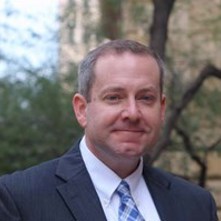
Jason Walker

Specialized Services Chief